Campus Security Radio Systems — Reliable Coverage Across Multi-Building Sites
One system for gates, patrols, control room and maintenance across a fixed campus footprint, without the complexity of a wide-area network.
Values come from the linked product records and their manufacturer documents; unpublished fields are left blank, not inferred.
Why Standard Radios Fail Here
Building penetration
Concrete and steel decide whether a handheld reaches the next building. Survey the worst three locations before choosing a repeater count.
Lone-worker safety
Night patrols need a check-in or man-down workflow that the control room can actually act on.
Integration
Decide whether the radio system must raise an alarm into CCTV or access control, and specify that interface early.
Budget tiers
A PoC system over existing Wi-Fi or LTE is cheaper to deploy than a licensed repeater network; the trade-off is dependency on that network.
Recommended Equipment Matrix
Wholesale pricing · MOQ from 10 Set · DAP/DDP
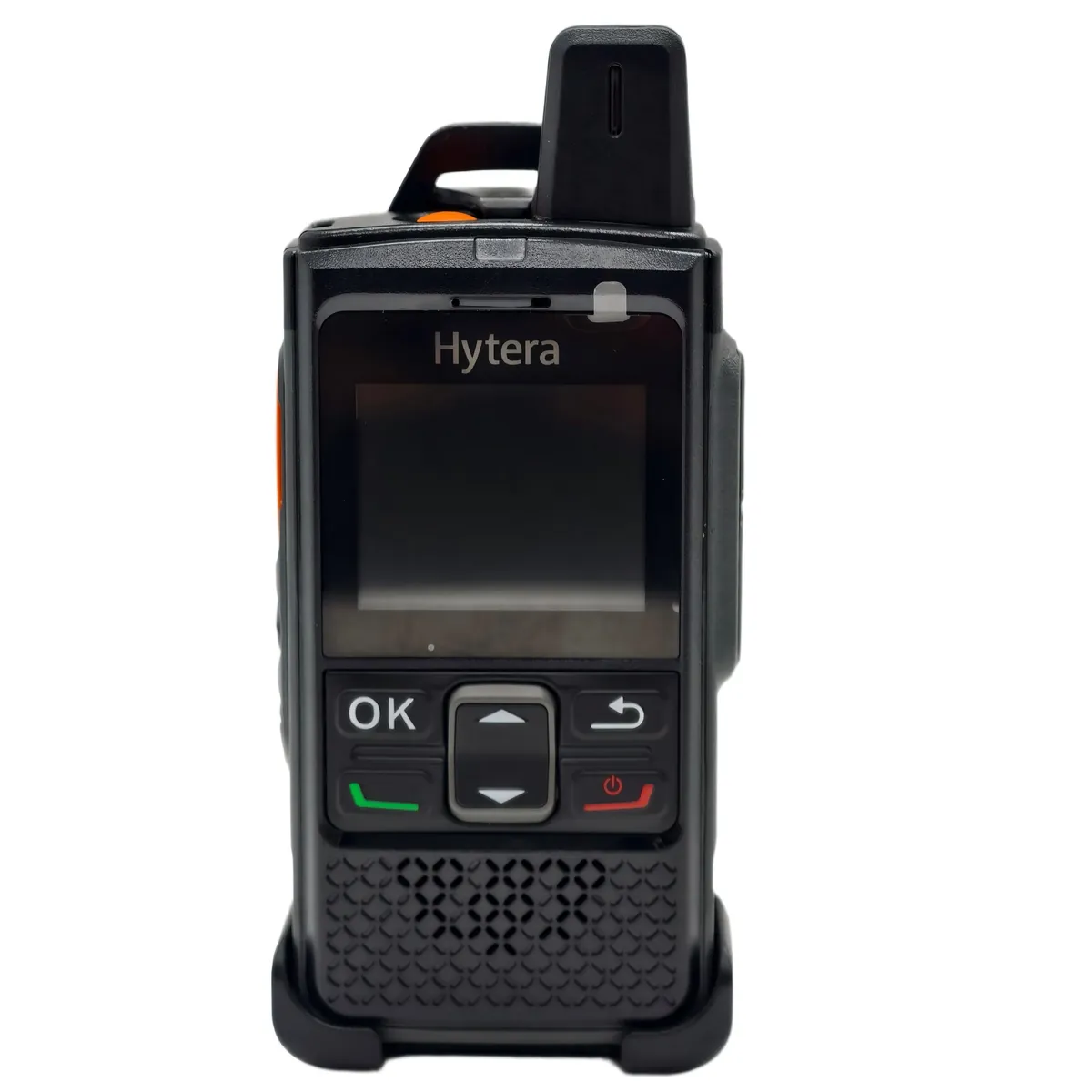
Hytera PNC370SE 4G POC LTE
- / 4G LTE PoC handheld
- / Coverage depends on the network
- / GPS
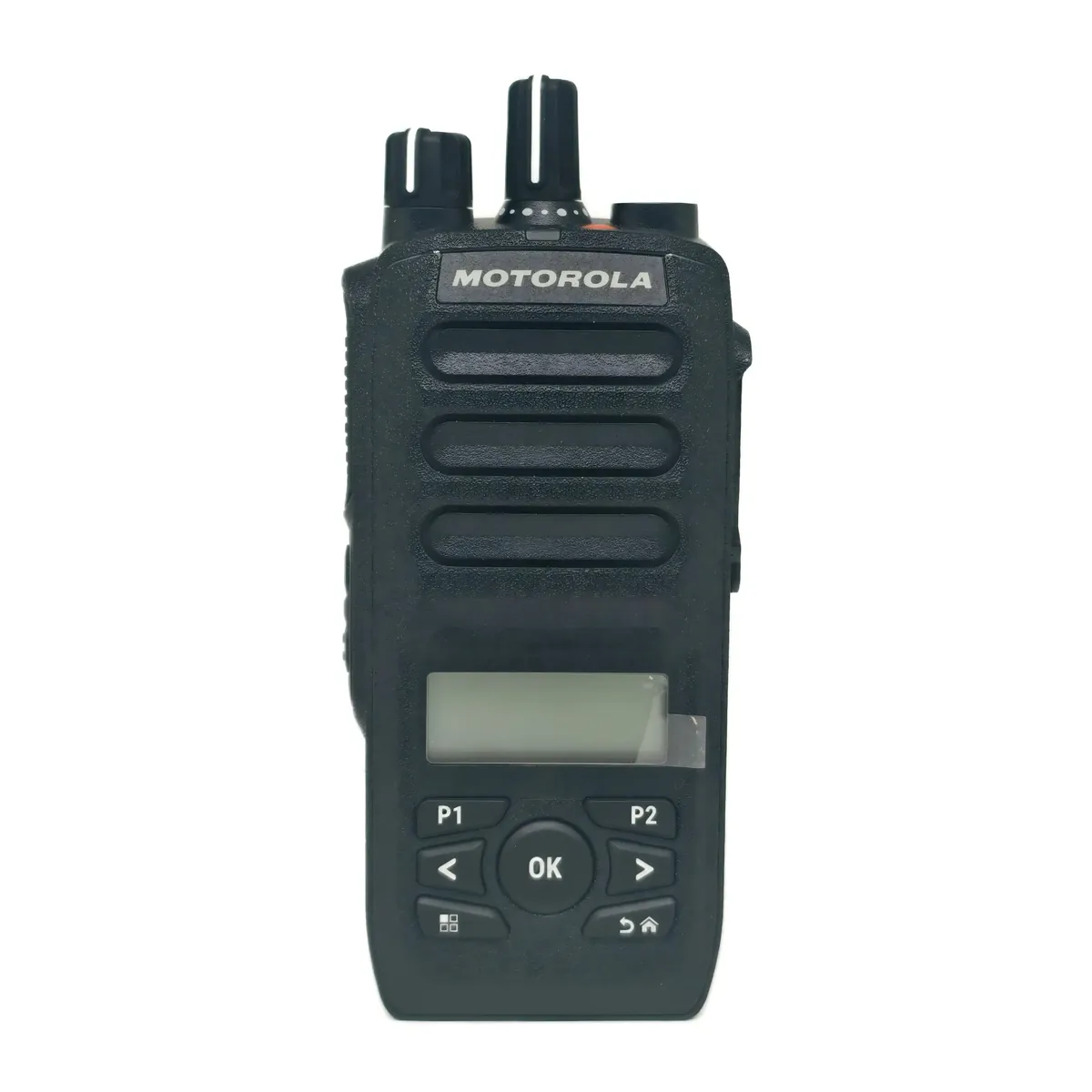
MOTOTRBO R5 Digital Portable Two-Way Radio
- / Digital/Analog
- / Compact Design
- / Professional Tier
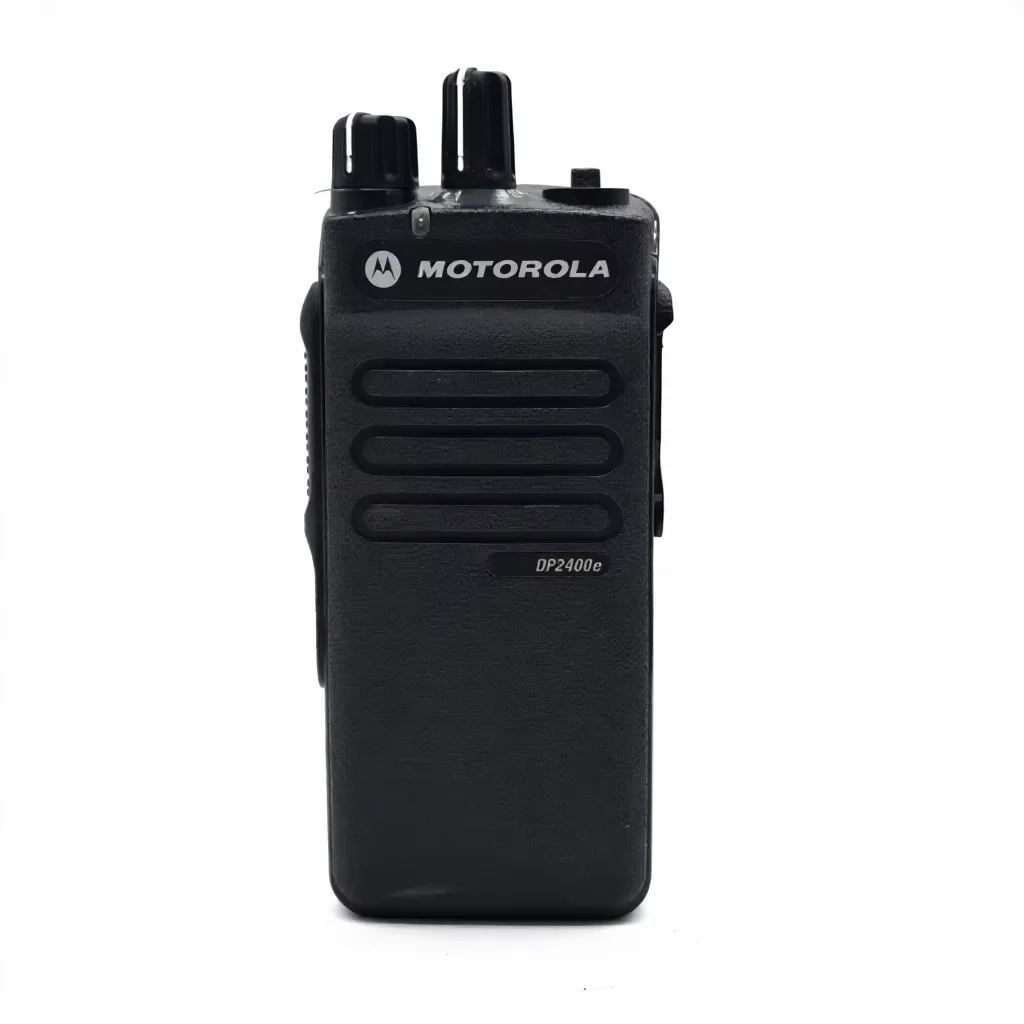
Motorola DP2400e Digital Portable Two-Way Radio
- / Regional Equivalents: XPR 3300e / XPR 3500e / XiR P6600i
- / Digital Enhanced
- / IMPRES Battery
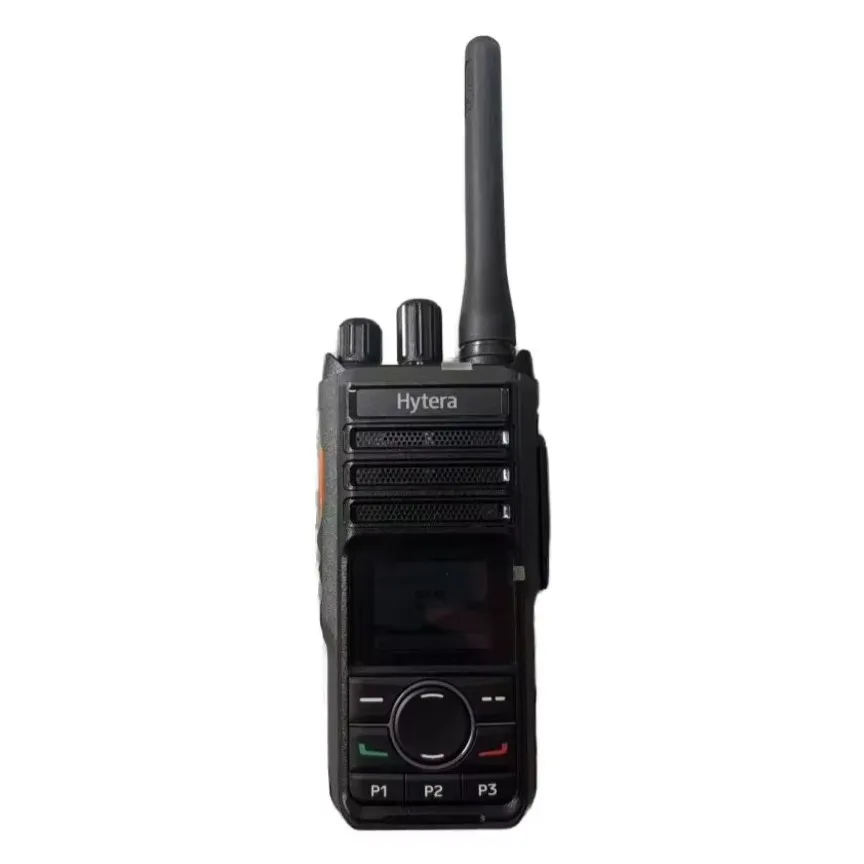
Hytera HP565 (HP56X) Professional Digital Portable Radio
- / IP67
- / 15 h battery (1500 mAh)
- / 512 channels
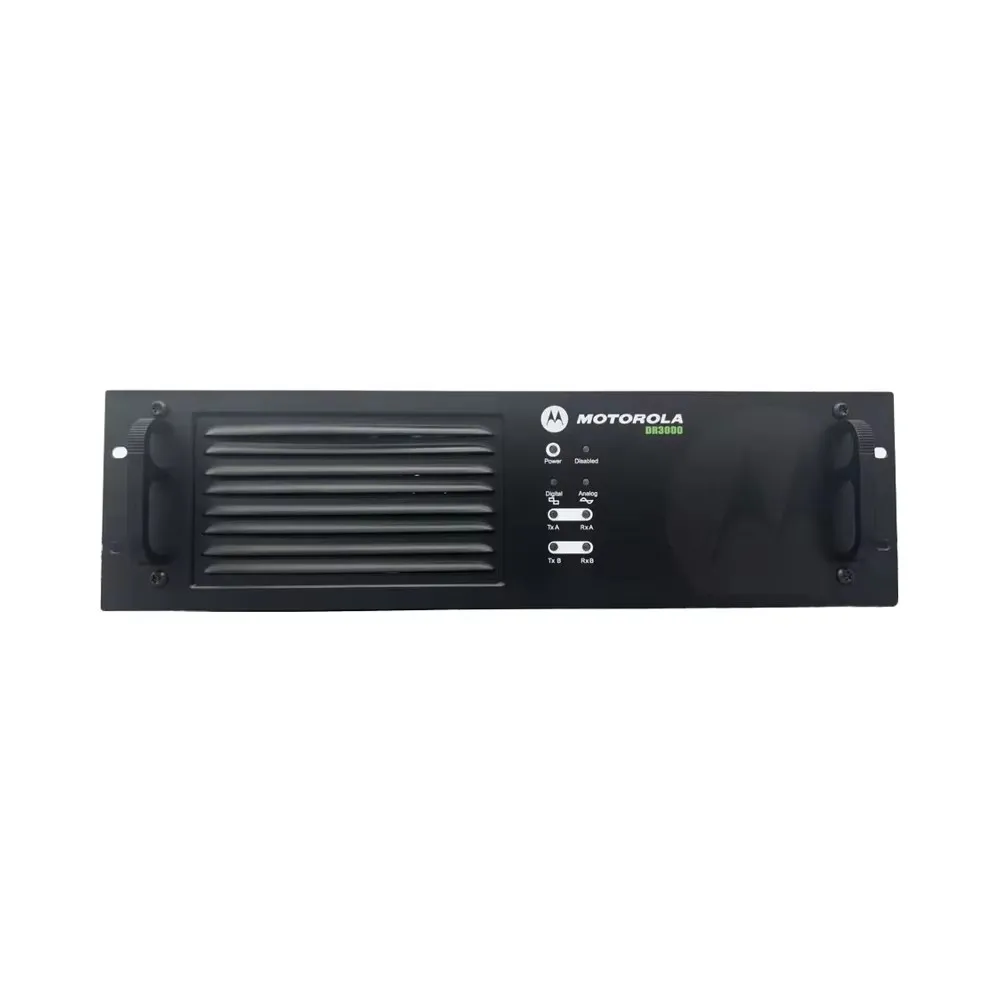
Motorola Repeater DR3000
- / Wide Area DMR Repeater
- / 100% Duty Cycle
- / IP Site Connect
Published Features and Documentation to Confirm
| Specification | PNC370SE | R5 | DP2400e |
|---|---|---|---|
| Radio technology | ETSI TS 102 361-1, -2, -3; DMR Tier II | ||
| Environmental features | IP67 | IEC 60529 - IP67 (submersible 1 m) |
Confirm the exact model, regional version and the approval that model actually carries before quoting. A blank cell means the record publishes no value.
Site Types, Hazard Classification and Approvals
Where these terminals are deployed, how the area is classified, and which approval the destination regulator asks for.
Typical sites
- Corporate and industrial campuses
- Schools and university grounds
- Warehouse and logistics parks
Hazard classification
- Standard commercial environment, no hazardous-area classification
- Multi-building coverage through concrete and steel
- Night patrol and lone-worker routines
Approvals by destination
- Licence-exempt bands — Many marketsSome countries allow low-power operation without an individual licence. Confirm the permitted band and power before choosing a model.
- CE / RED — European UnionApplies to the terminal; check the declared band against what is permitted locally.
- PoC dependence — Any marketA PoC system depends on the mobile network of the site. Where that network is not under your control, plan a licensed fallback.
Documentation is supplied for the model ordered; a generic certificate is never substituted. If your tender names a scheme not listed here, send the destination and the standard and we will confirm what applies.
Deployment Planning Checklist
Survey the three worst coverage locations first and size the system from those. Programme patrol check-in and emergency behaviour before shipment, then run a night-time radio check on the actual patrol route as the acceptance test.
Deep Technical FAQ
PoC or licensed DMR for a campus?
PoC is simpler and cheaper to deploy where coverage of the cellular or Wi-Fi network is already good. Licensed DMR is independent of third-party networks and is the safer choice where the radio must work when other infrastructure fails.
How many repeaters does a campus need?
It depends on building construction and the coverage target inside the worst-served building, not on campus area alone. Send a site plan and the areas that must be covered.
Can radios be integrated with our CCTV?
Usually through an alarm input or a software integration on the console side. State the make and model of the system you want to integrate with so the interface can be confirmed.
What should be in a campus RFQ?
Site plan, building construction, coverage target, patrol routes, user count, integration requirements, destination and whether the site has reliable Wi-Fi or cellular coverage.
Need the network planned, not just the radios?
For a project in this sector we also work out the radio and repeater quantities, the coverage layout and the full BOM, then supply it pre-programmed.
Build Your Campus Security Radio Procurement Fleet
Documentation support · Free programming · DDP to approved markets
