Fire & Rescue Radio Procurement — Network Interoperability and Model-Specific Certification
Evaluate incident-scene and support-fleet radios against the actual network, operational roles and manufacturer documentation required by the department.
Values come from the linked product records and their manufacturer documents; unpublished fields are left blank, not inferred.
Why Standard Radios Fail Here
Documented fireground requirements
Request evidence for the exact radio and accessory package; do not infer certification from the product-family name.
Audio in the intended environment
Evaluate the complete microphone, radio and hearing-protection setup under the required working conditions.
Network interoperability
Confirm bands, enabled features, network approval and key-management requirements with the receiving agencies.
Emergency procedure
Specify the emergency-button behavior, dispatch response and acceptance test together.
Recommended Equipment Matrix
Wholesale pricing · MOQ from 10 Set · DAP/DDP
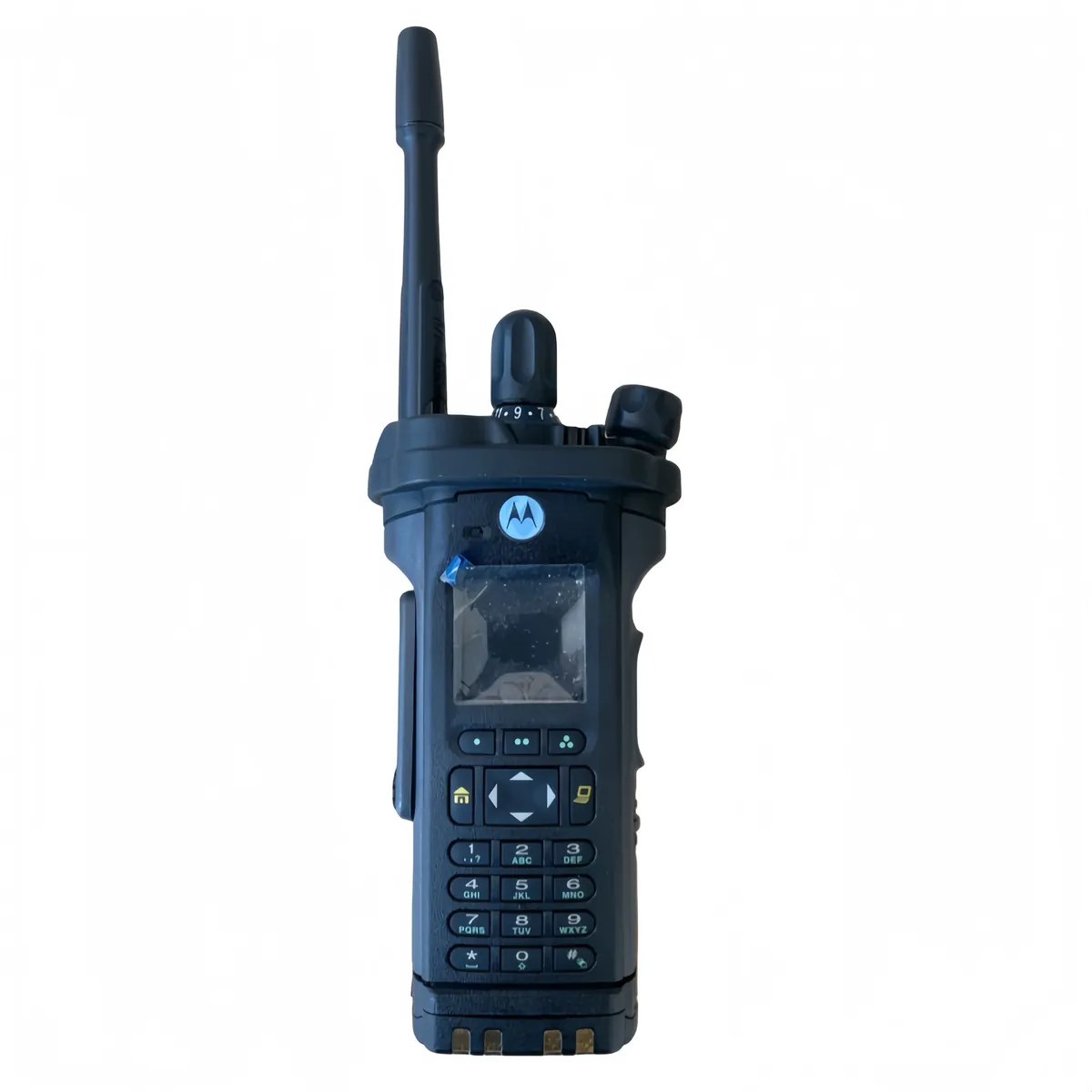
Motorola APX6000XE P25 Digital Two-Way Radio
- / Firefighter-Rated NFPA
- / P25 Phase 2 TDMA
- / TIA-4950 hazardous-area
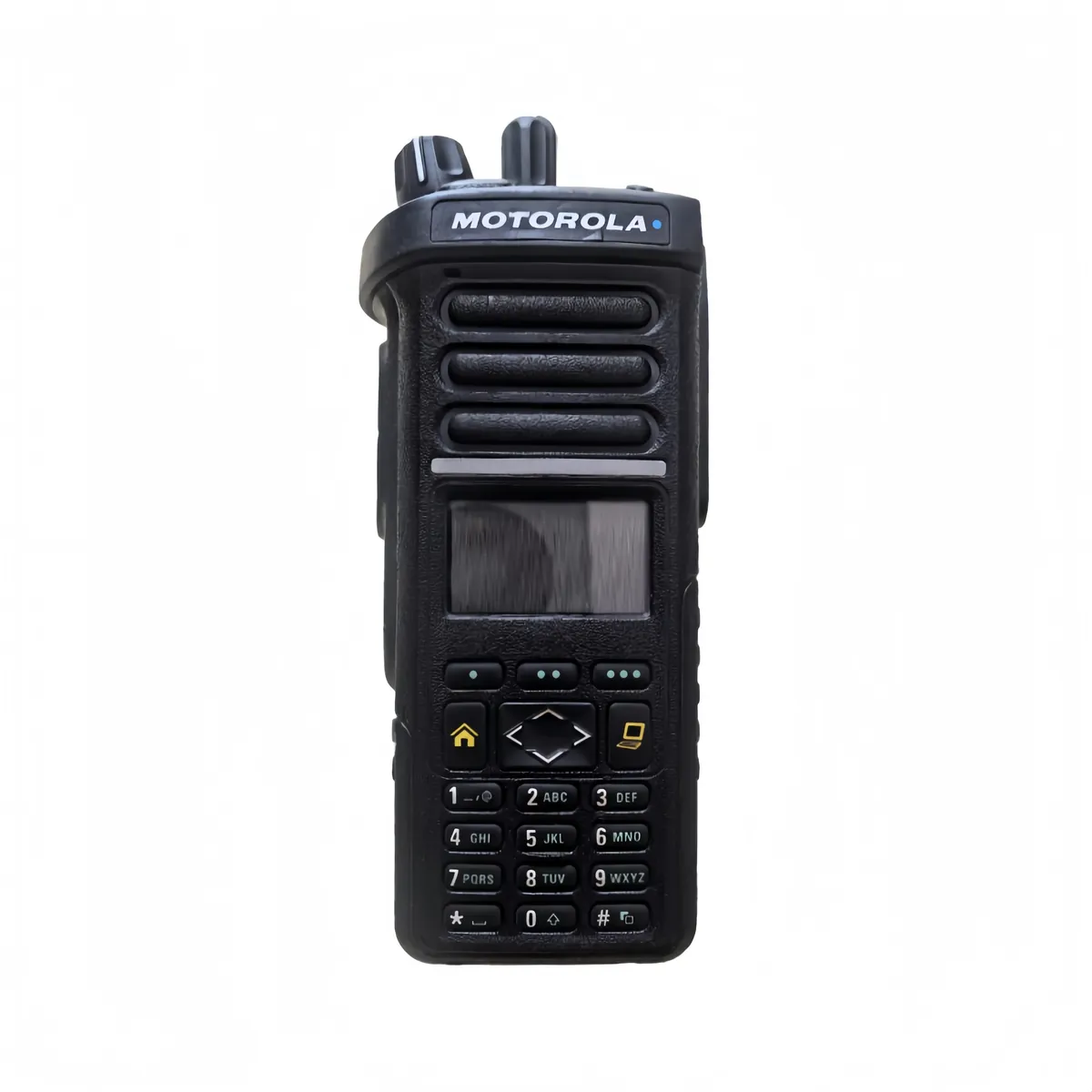
Motorola APX 4000 P25 Phase 2 Fire & Public Safety Digital Walkie Talkie Two Way Radio
- / P25 Phase 2 FDMA/TDMA
- / Adaptive Audio Engine
- / IP67 Waterproof
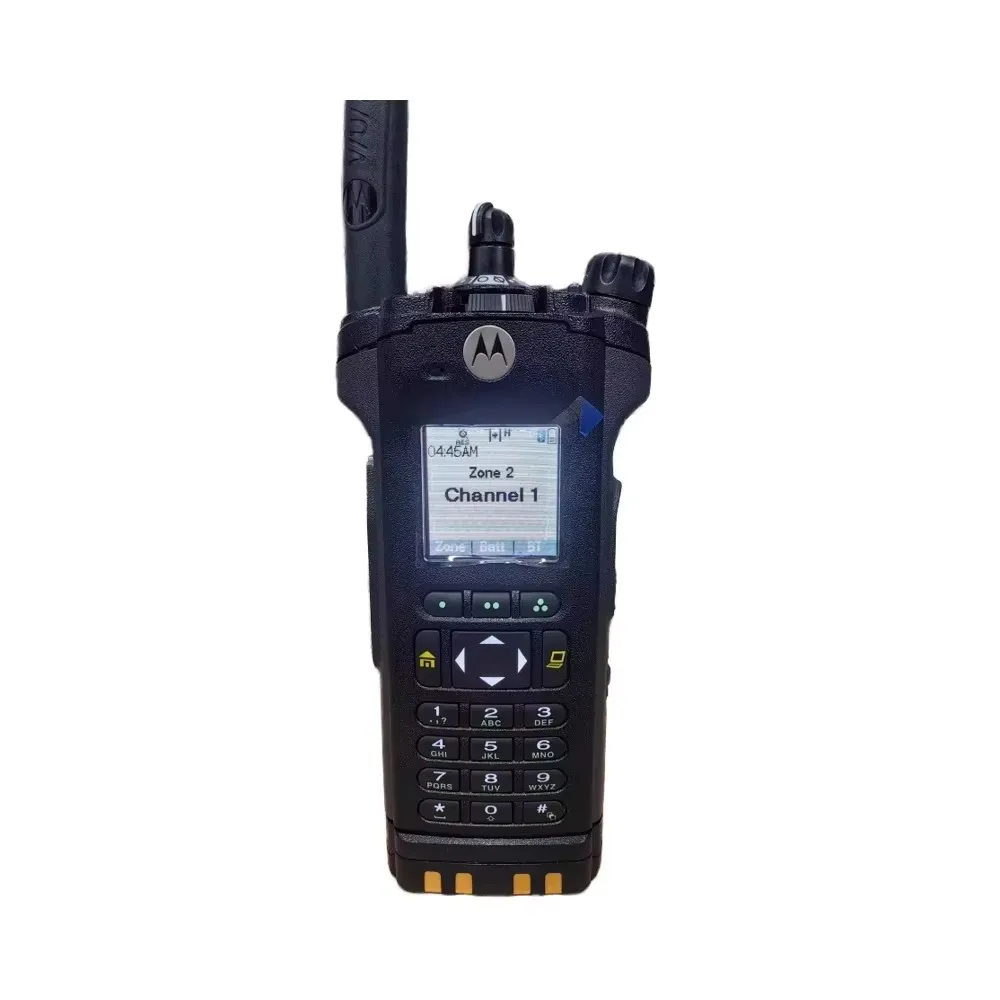
Motorola APX 8000 All-Band P25 Portable
- / All-Band P25 (Multi-Agency)
- / SmartConnect Voice Roaming
- / AES-256 Secure Encryption
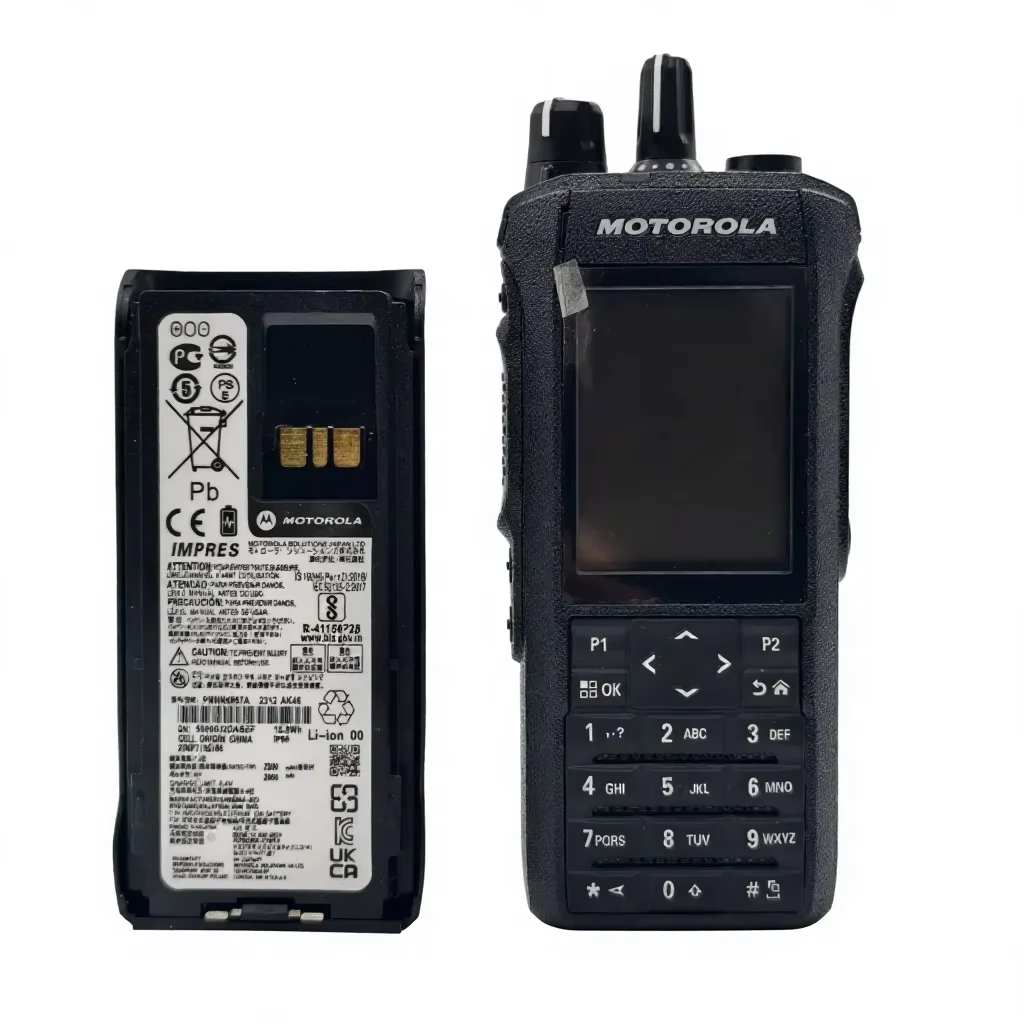
Motorola Solutions R7 FKP/R7 NKP Digital Portable Radio
- / AI-Noise Suppression (SINC+)
- / Loudest Audio (102 Phon)
- / IMPRES 2 Battery Tech
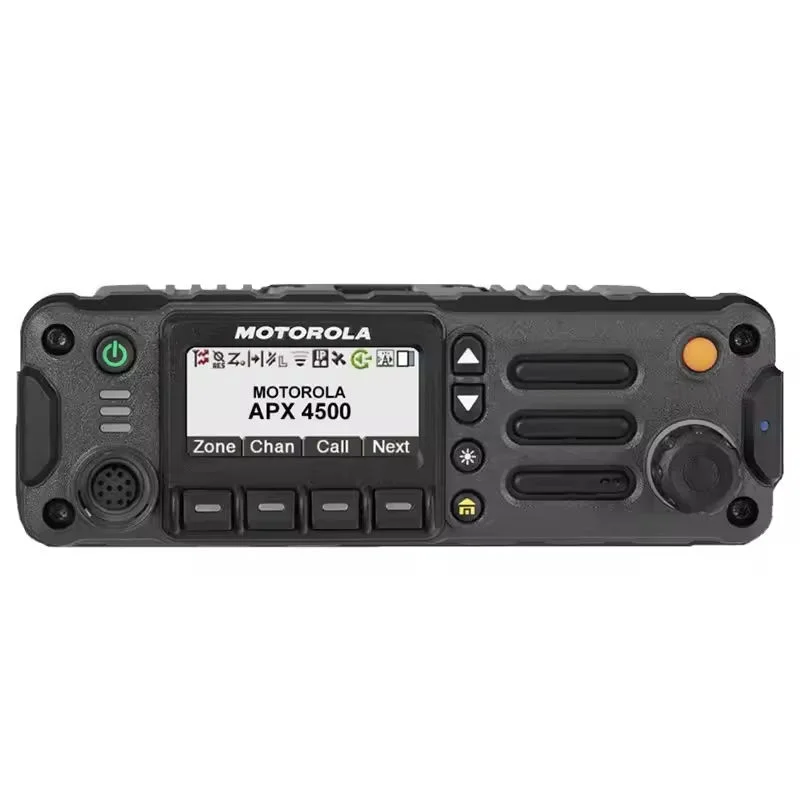
MOTOROLA APX4500 Mobile Radio
- / P25 Dual-Band Mobile
- / 110W Max RF Power
- / Multi-Agency Interop
Published Features and Documentation to Confirm
| Specification | APX6000XE | APX 4000 | APX 8000 | R7 |
|---|---|---|---|---|
| Radio technology | P25 Phase 1 and Phase 2 (TDMA); ASTRO 25 | P25 Phase 1 FDMA / Phase 2 TDMA; analogue MDC 1200 | P25 Phase 1 FDMA / Phase 2 TDMA; analogue SmartNet / SmartZone / MDC 1200 | ETSI TS 102 361-1, -2, -3, -4; DMR Tier II and DMR Tier III |
| Environmental features | IP68 (2 m, 4 hours) | IP67 | IP68 (2 m, 2 h; 4 h with rugged option) | IP68 (submersion up to 2 m for 2 hrs) + IP66 (high-pressure water jet), per IEC 60529 |
Confirm the exact model, regional version and the approval that model actually carries before quoting. A blank cell means the record publishes no value.
Site Types, Hazard Classification and Approvals
Where these terminals are deployed, how the area is classified, and which approval the destination regulator asks for.
Typical sites
- Fireground
- Industrial fire brigade
- Hazmat response
- Confined-space rescue
- Airport rescue (ARFF)
- EMS and ambulance crews
Hazard classification
- Radiant heat and steam
- PASS alarm noise
- SCBA-masked voice intelligibility
- IDLH atmosphere
- CBRN / hazmat zones
Approvals by destination
- NFPA 1802 — United StatesThe 2021 standard for fireground portable radios. Model-specific — confirmed per model.
- TIA-4950 — United StatesIntrinsically safe portable radio standard for hazardous locations.
- CE — EURadio equipment directive, plus the RED for the RF side.
- ANATEL — BrazilType approval before customs release.
- NOM — MexicoType approval for telecom terminal equipment.
- RCM — Australia / New ZealandEMC and radio communications compliance mark.
Documentation is supplied for the model ordered; a generic certificate is never substituted. If your tender names a scheme not listed here, send the destination and the standard and we will confirm what applies.
Deployment Planning Checklist
Define incident-scene, mutual-aid, command and support roles first. Match each role to the actual network and documented equipment requirements. Validate audio, emergency calls and interoperability with the complete offered configuration before accepting the fleet.
Deep Technical FAQ
Does every listed model have the same fireground certification?
No. Confirm the required fireground standard and the certificate for the exact radio, battery and audio-accessory package before selecting equipment.
Does a P25 label guarantee interoperability between agencies?
No. Confirm the bands, network configuration, enabled features, talkgroups and key-management arrangements, then test the offered configuration with the receiving agencies.
Can an R7 replace a P25 terminal on the basis of audio performance?
No. The published R7 manufacturer specifications describe DMR. Audio performance does not establish compatibility with a P25 network; select support and incident-scene equipment against their actual network requirements.
How should emergency and accountability functions be accepted?
Document the required emergency-call behavior and dispatch response, confirm the offered model and enabled functions, and test the end-to-end procedure before fleet acceptance.
Need the network planned, not just the radios?
For a project in this sector we also work out the radio and repeater quantities, the coverage layout and the full BOM, then supply it pre-programmed.
Build Your Fire & Rescue Radio Procurement Fleet
Documentation support · Free programming · DDP to approved markets
