Mining Radio Procurement — Coverage Planning, Site Classification and Model Selection
Plan underground and open-pit communications around the site survey, the licensed network and the exact equipment approvals required by the project.
Values come from the linked product records and their manufacturer documents; unpublished fields are left blank, not inferred.
Why Standard Radios Fail Here
Site classification
Identify the mining and hazardous-area approvals required for each working location before selecting the terminal.
Coverage gaps
Survey tunnels, shafts, surface routes and dispatch locations before specifying repeater positions.
Emergency workflow
Define emergency calls, lone-worker monitoring and the response procedure together.
Maintenance and accessories
Check the radio, battery, audio accessory and maintenance documents as a complete package.
Recommended Equipment Matrix
Wholesale pricing · MOQ from 10 Set · DAP/DDP
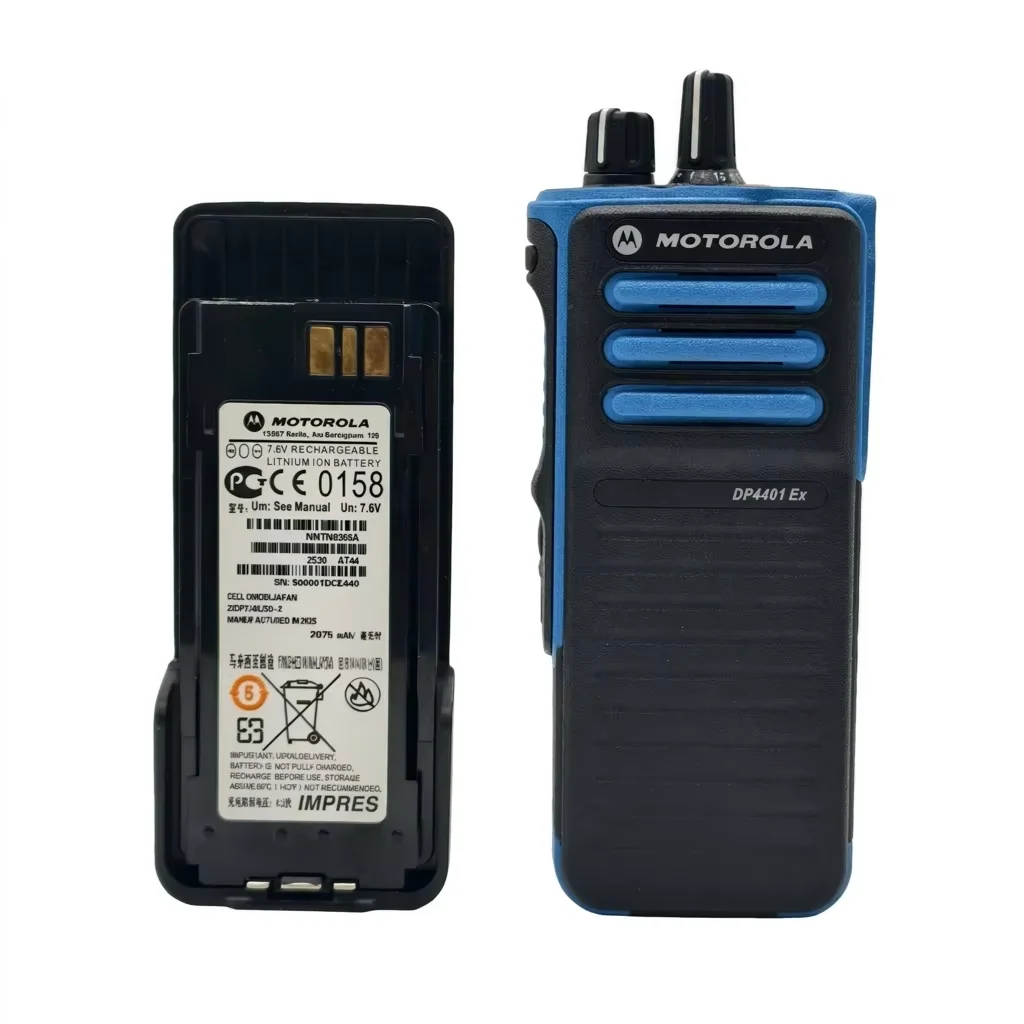
Motorola DP4401Ex UHF VHF Hazardous-Area Two-way Radio
- / ATEX/IECEx gas and dust
- / Integrated Accelerometer (Man Down)
- / IP67 Submersible
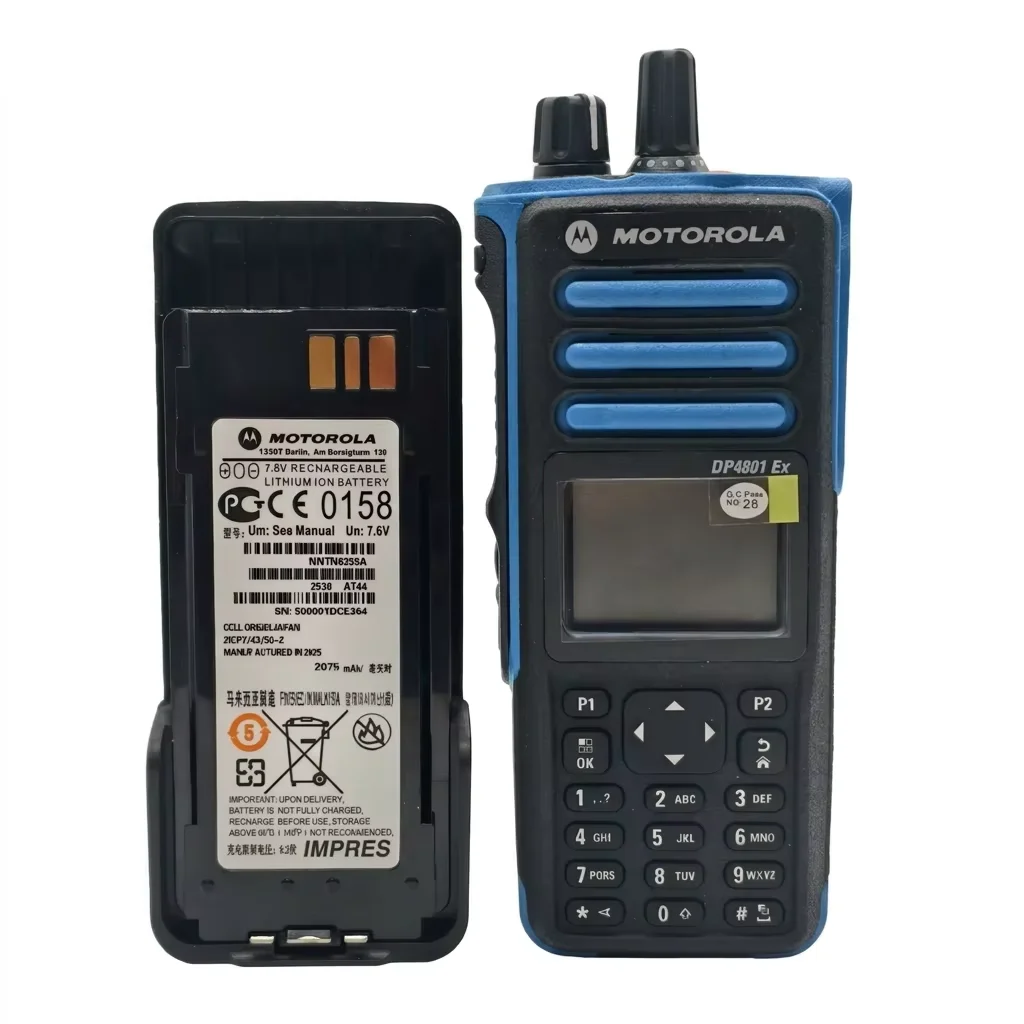
Motorola DP4801 Ex Hazardous-Area Walkie Talkie
- / Regional Equivalents: XPR 7550e IS / DGP 8550e Ex
- / Hazardous-area display variant
- / hazardous-area
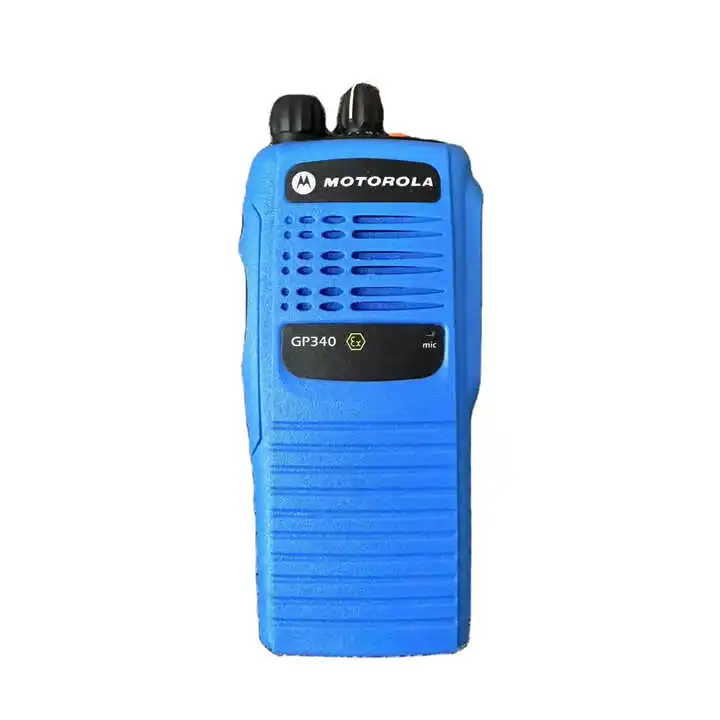
Motorola GP340Ex Handheld Radio UHF/VHF 16CH
- / ATEX Zone 1
- / 16 Channel Analog
- / Emergency Button
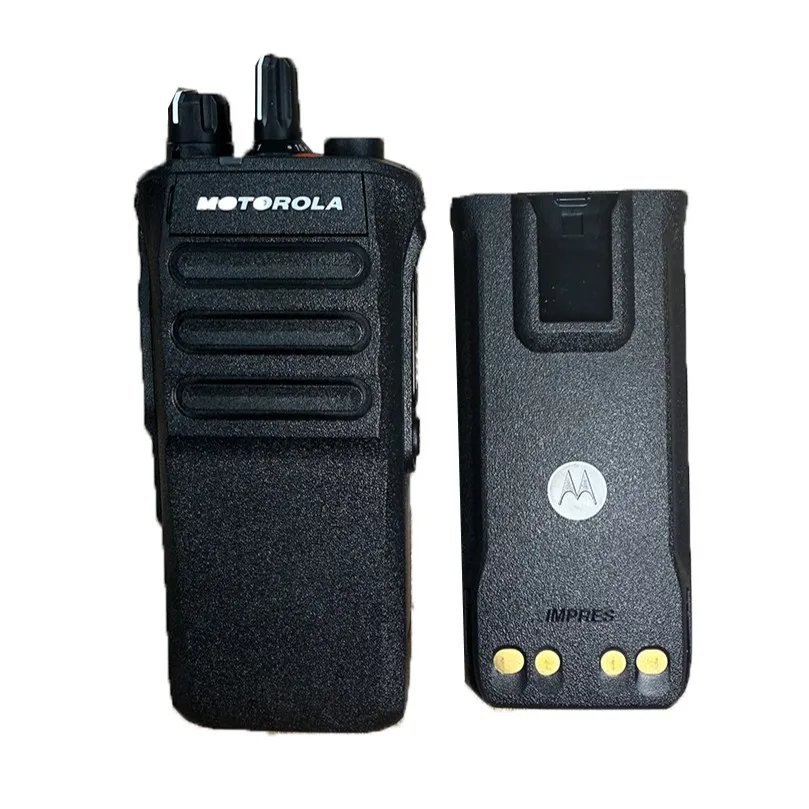
Motorola R7a Professional Digital Walkie Talkie
- / SINC+ AI Noise Suppression
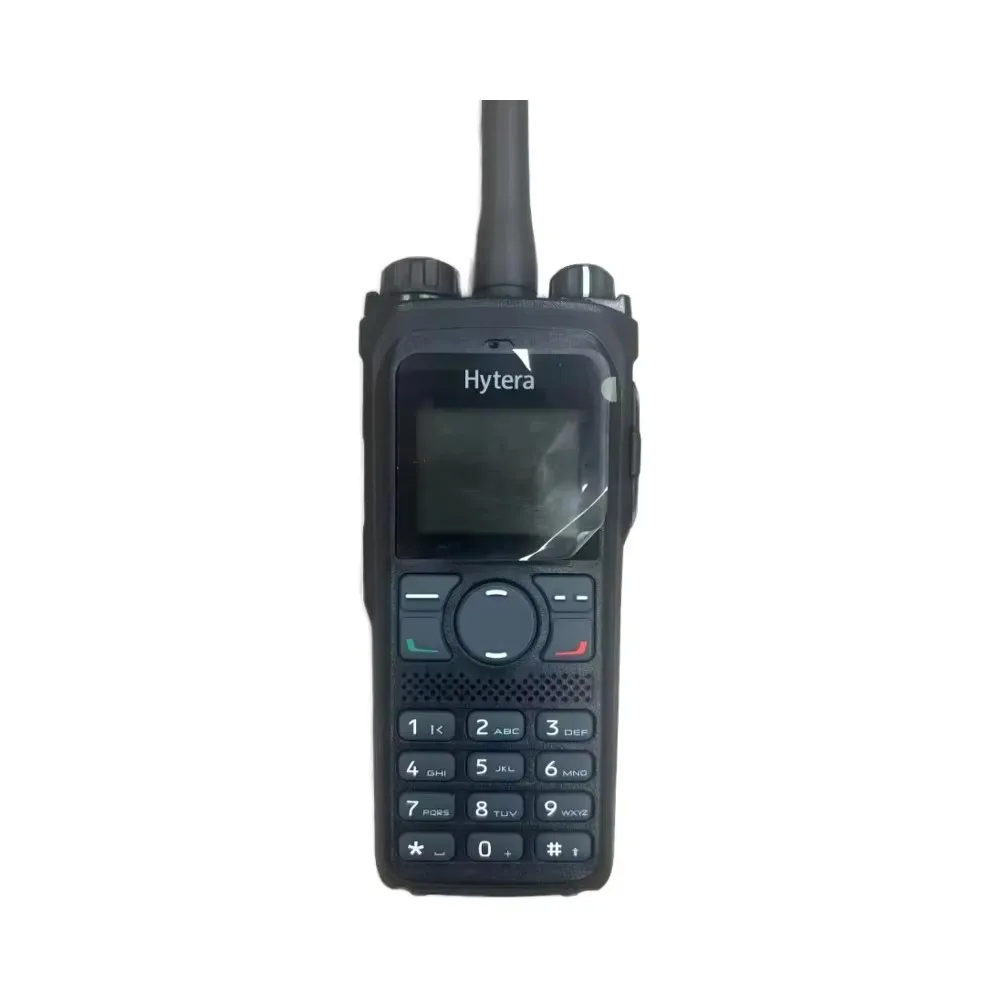
Hytera PD985 High-End DMR Portable Radio
- / Single Frequency Repeater
- / Smart Battery
- / Noise Cancel
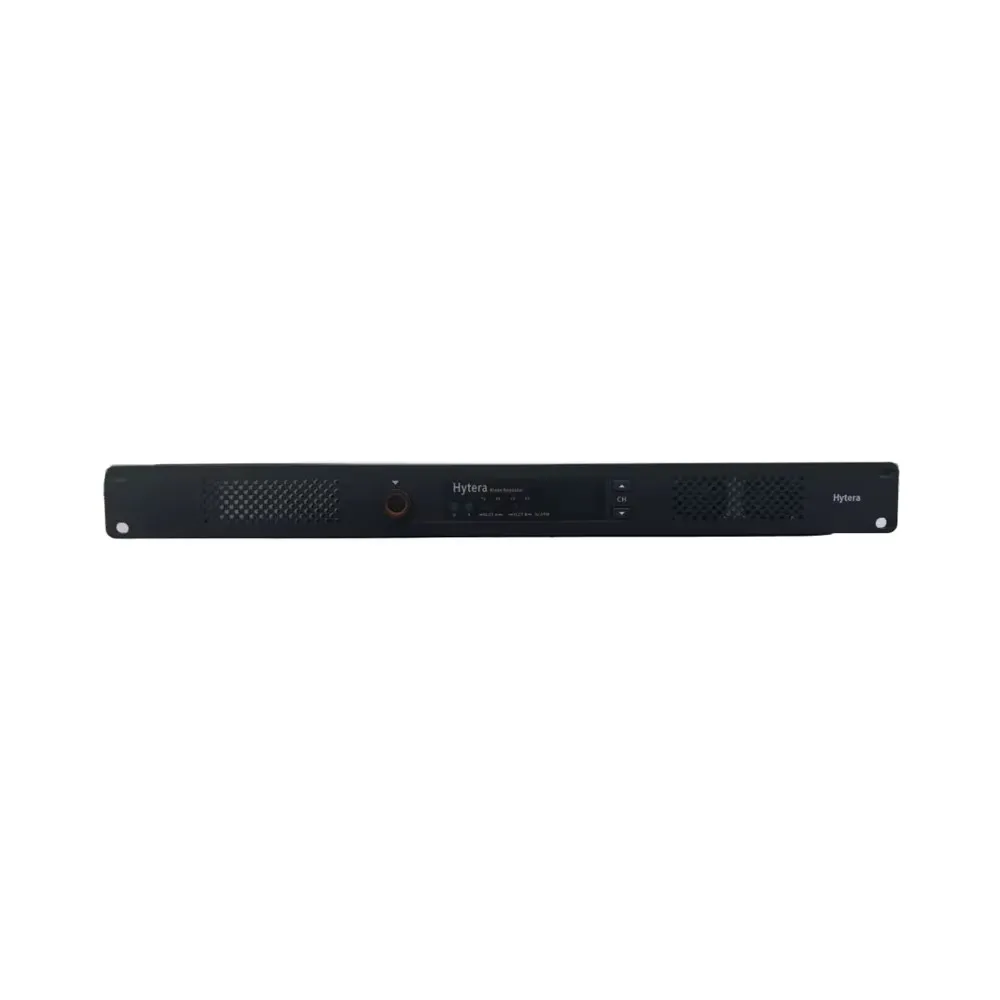
Hytera HR106X/HR1060/HR1065 DMR Repeater
- / 50W High Power
- / Digital Repeater
- / 24/7 Service
Published Features and Documentation to Confirm
| Specification | DP4401Ex | DP4801 Ex | GP340Ex | R7a |
|---|---|---|---|---|
| Radio technology | MOTOTRBO TDMA (ETSI TS 102 361), analogue capable | ETSI TS 102 361-1, -2, -3; DMR Tier II and DMR Tier III | DMR Tier II and DMR Tier III (ETSI TS 102 361-1, -2, -3, -4) | |
| Environmental features | IP67 (IEC 60529); IP64 per ATEX/IECEx certification | IP67 (IEC 60529) | IP68 (submersion 2 m for 2 h) and IP66 |
Confirm the exact model, regional version and the approval that model actually carries before quoting. A blank cell means the record publishes no value.
Site Types, Hazard Classification and Approvals
Where these terminals are deployed, how the area is classified, and which approval the destination regulator asks for.
Typical sites
- Coal mine
- Underground mine
- Open-pit quarry
- Mineral processing plant
- Tunnel construction
- Confined space
Hazard classification
- Explosive atmosphere
- Methane / firedamp
- Coal dust
- Combustible dust
- Hazardous zone — Zone 1 / Zone 2
- Group I mining equipment
- T4 temperature class
Approvals by destination
- ATEX — EU directive 2014/34/EUGroup I (mining) category M1/M2 is what most underground tenders name.
- IECEx — International schemeCommonly specified in Asia and the Middle East, and accepted where a national mark is not demanded.
- EAC — Russia, Belarus, KazakhstanRequired for customs clearance in the EAEU.
- KC — KoreaSafety, EMC and RF approvals, with a local representative.
- SANS — South AfricaNamed by most South African mining houses.
Documentation is supplied for the model ordered; a generic certificate is never substituted. If your tender names a scheme not listed here, send the destination and the standard and we will confirm what applies.
Deployment Planning Checklist
Use the site survey to separate underground, surface and dispatch roles. Select the exact approved terminal and accessory package for each location, then validate coverage and emergency response before accepting the fleet.
Deep Technical FAQ
Does a gas or dust approval automatically establish mining suitability?
No. Match the exact equipment certificate to the mine classification and the project requirement. A catalogue label does not establish that a particular terminal and accessory package has the required mining approval.
How should tunnel and shaft coverage be planned?
Provide the tunnel layout, working areas, existing infrastructure and coverage acceptance criteria. Repeater locations and any feeder system require a site-specific design; a fixed spacing rule is not a coverage guarantee.
Which emergency features should be specified?
State the required emergency-call, lone-worker and man-down workflow. Verify the offered model, enabled features and dispatch integration in the acceptance test.
What should I send with a mining radio RFQ?
Send the site classification, required certificates, licensed frequency plan, user count, existing network, destination and coverage drawings.
Need the network planned, not just the radios?
For a project in this sector we also work out the radio and repeater quantities, the coverage layout and the full BOM, then supply it pre-programmed.
Build Your Mining Radio Procurement Fleet
Documentation support · Free programming · DDP to approved markets
