Public Safety Radio Procurement — P25 Interoperability, Talk Groups and Coverage
Scope a P25 or DMR network around the agencies involved, the talk-group structure and the dispatch workflow the project has to plug into.
Values come from the linked product records and their manufacturer documents; unpublished fields are left blank, not inferred.
Why Standard Radios Fail Here
Interoperability
Decide up front whether neighbouring agencies must talk to each other, and at which layer: shared talk group, console patch or gateway.
Talk-group design
Separate command, patrol, traffic and specialist roles before radios are programmed. Re-labelling later means touching every unit.
Coverage inside buildings
Street coverage and in-building coverage are different problems. Stairwells, basements and lift lobbies need their own survey.
Dispatch and recording
Confirm what the control room must record and display, so the radio and console sides are specified together.
Recommended Equipment Matrix
Wholesale pricing · MOQ from 10 Set · DAP/DDP
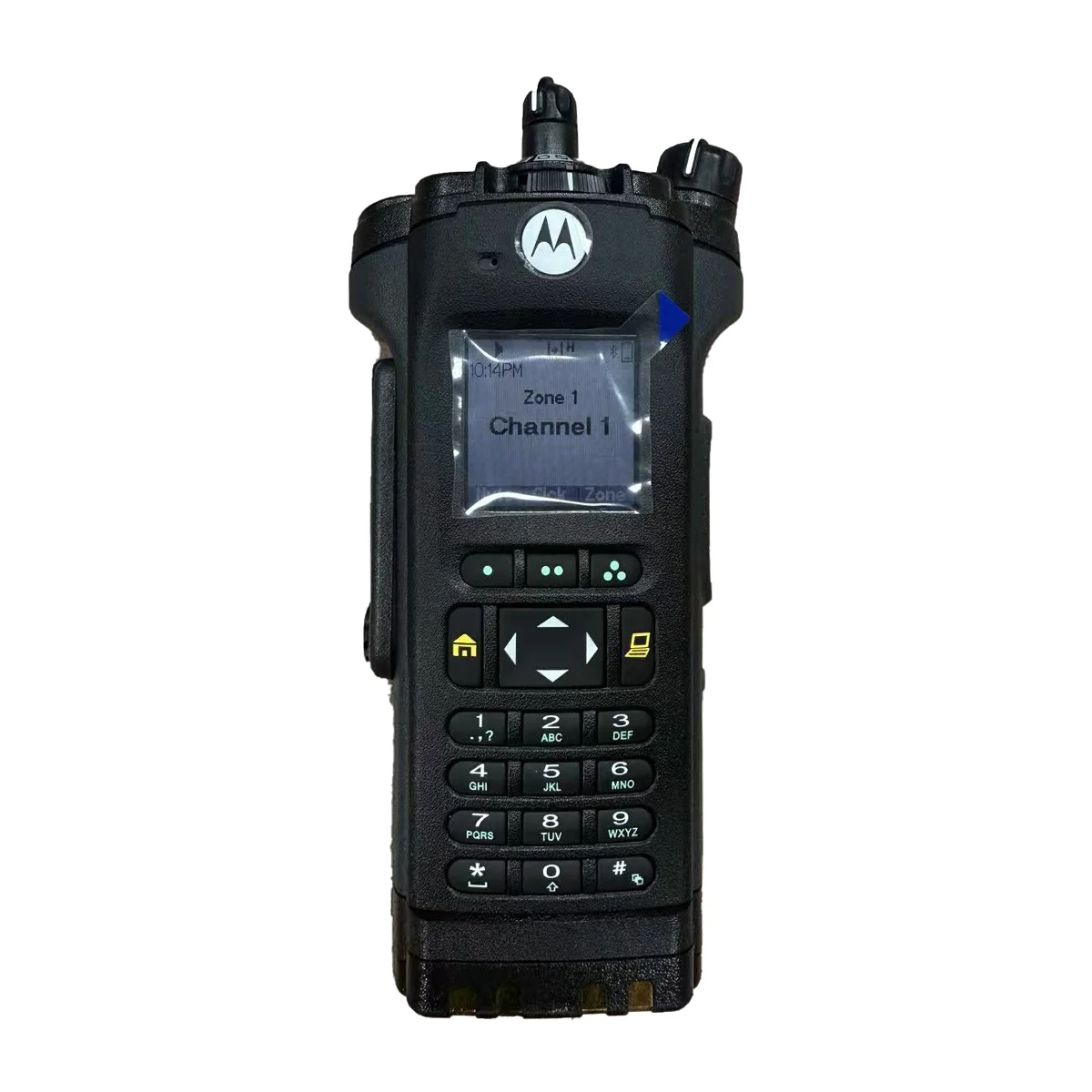
Motorola APX6000 P25 Digital Two Way Radio
- / P25 Phase 2 Critical
- / Dual-Mic AI Noise Cancel
- / Rugged Housing
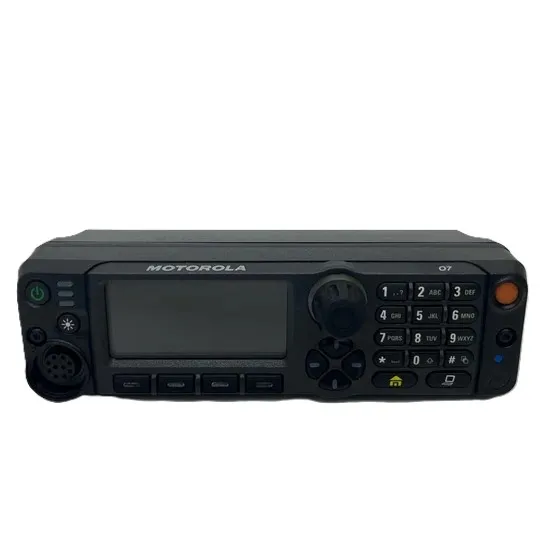
Motorola APX2500 Single-Band P25 Mobile Radio
- / Single-Band P25 Mobile
- / IP56 Rated
- / 10-50W RF Output (band-dependent)
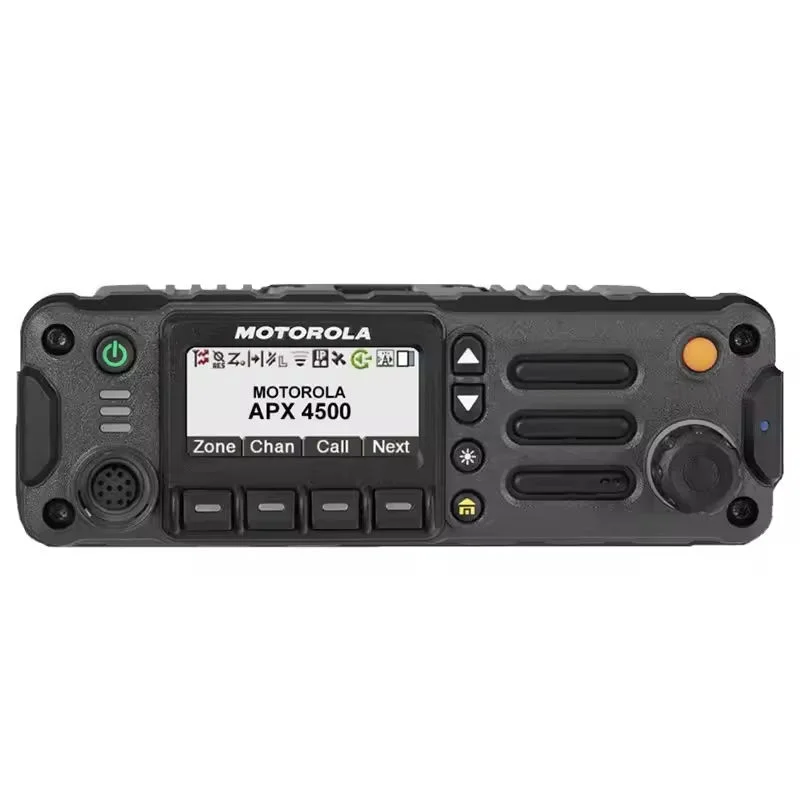
MOTOROLA APX4500 Mobile Radio
- / P25 Dual-Band Mobile
- / 110W Max RF Power
- / Multi-Agency Interop
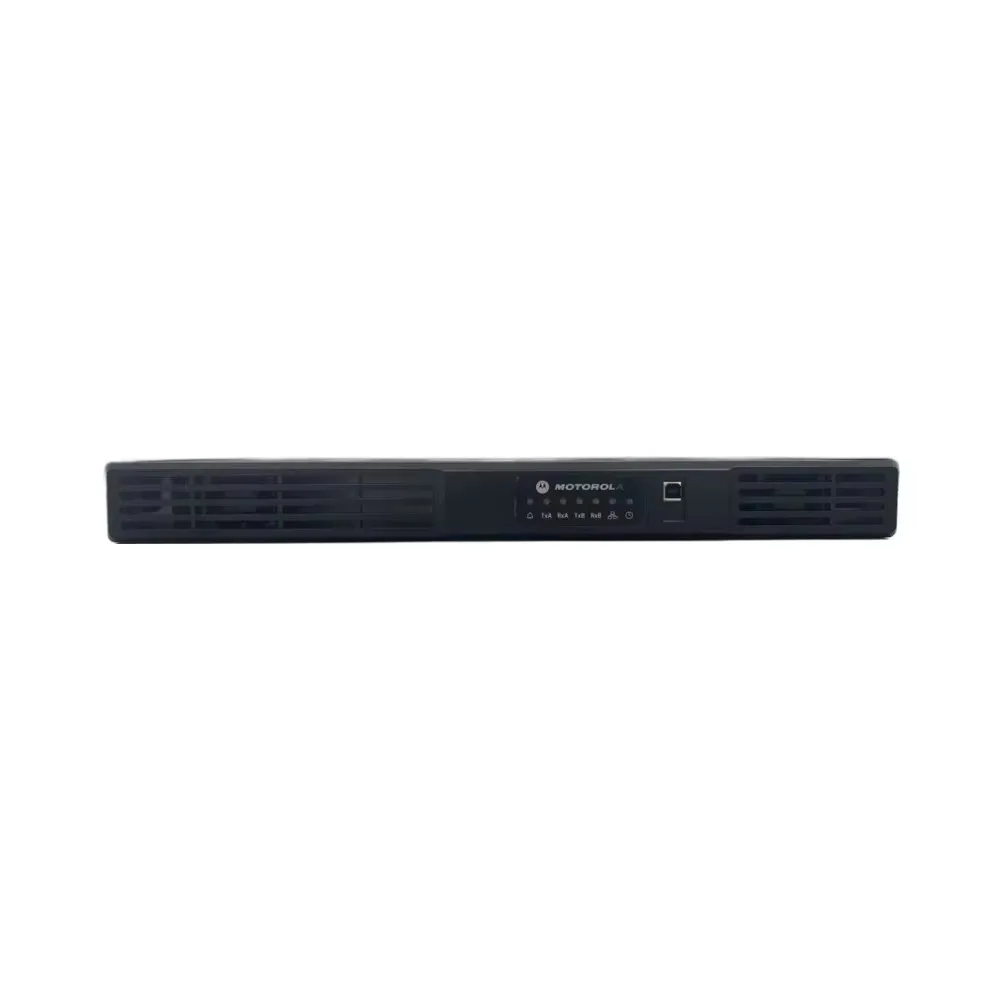
MOTOROLA Repeater Base Station SLR5500
- / High-Performance Repeater
- / 100% Duty Cycle
- / 1U Compact Rack
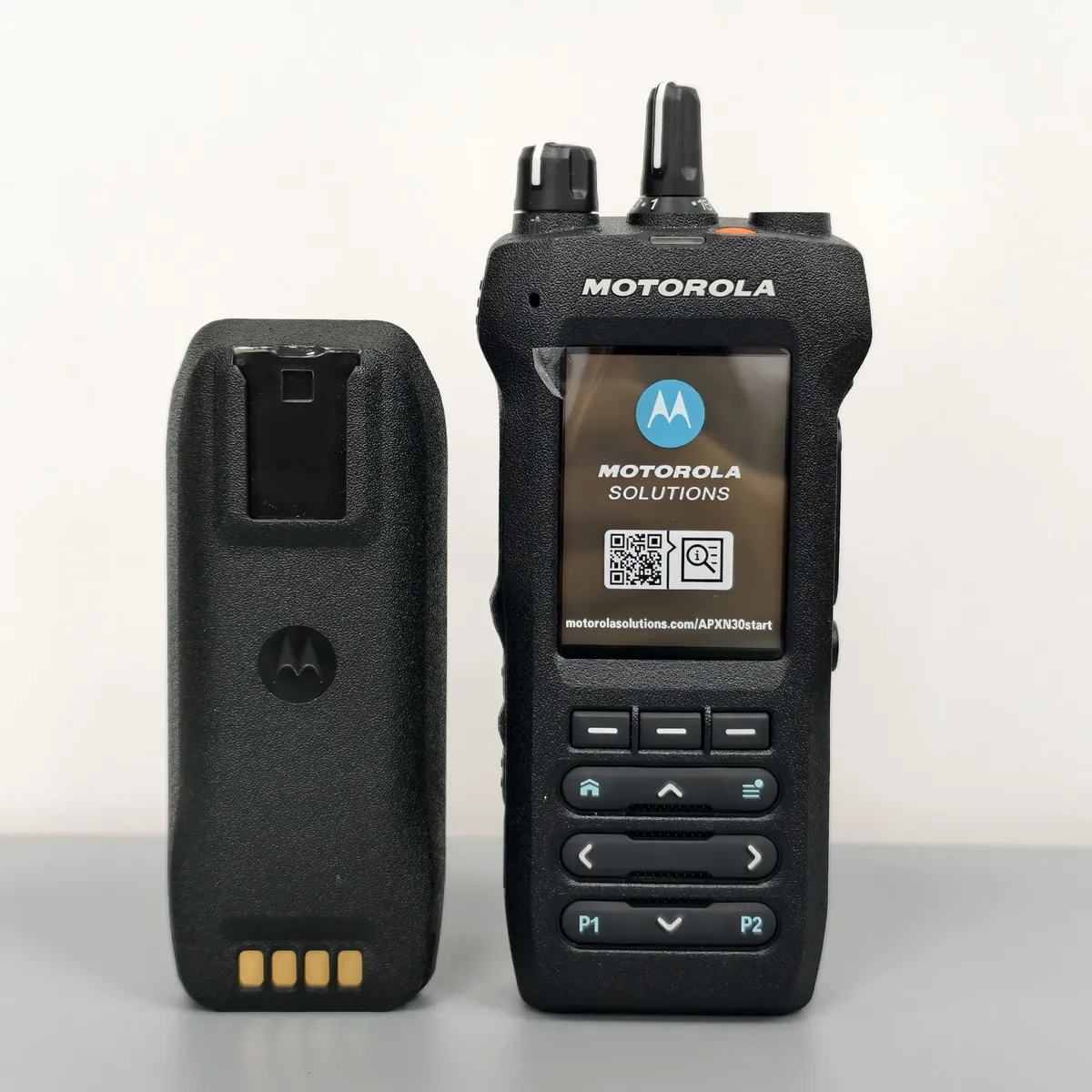
Motorola APX N30 / APX N50 P25 Smart Portable Radio
- / P25 Phase 2 Digital
- / Sleek & Rugged Design
- / Mission Critical Audio
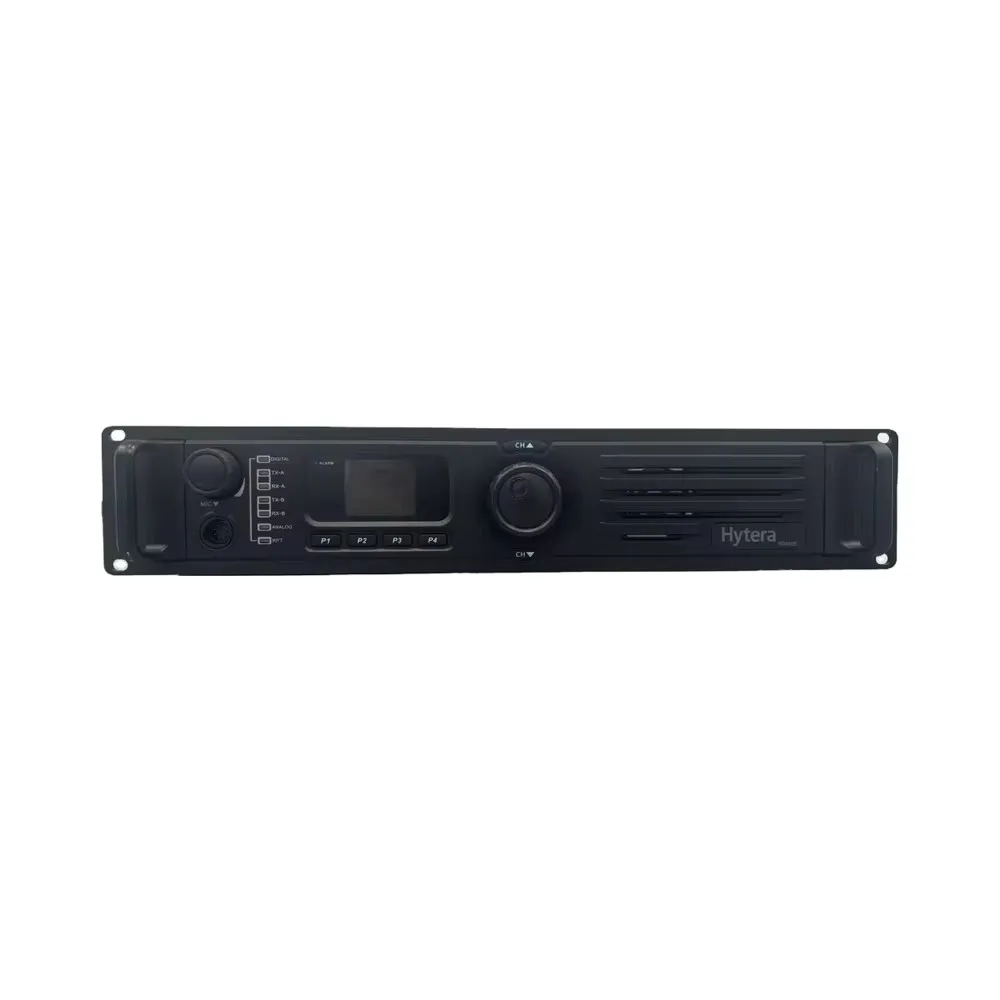
Hytera RD98X (RD98XS) DMR Repeater
- / 1,024 channels
- / UHF 400-470 MHz
- / 5-50 W
Published Features and Documentation to Confirm
| Specification | APX 6000 | APX 2500 | APX 4500 | SLR 5500 |
|---|---|---|---|---|
| Radio technology | APCO P25 Phase 1 (FDMA) and Phase 2 (TDMA); analogue MDC-1200 and QCII; SmartNet / SmartZone trunking; conventional or trunked | P25 Phase 1 and Phase 2 (ASTRO 25), TDMA | P25 Phase 1 FDMA / Phase 2 TDMA; analogue MDC 1200 | ETSI TS 102 361-1, -2, -3, -4; DMR Tier II and DMR Tier III |
| Environmental features | IP68 (2 m for 4 h) | IP56 (with O2 control head) | IP56 |
Confirm the exact model, regional version and the approval that model actually carries before quoting. A blank cell means the record publishes no value.
Site Types, Hazard Classification and Approvals
Where these terminals are deployed, how the area is classified, and which approval the destination regulator asks for.
Typical sites
- Municipal police and patrol divisions
- Control rooms and dispatch centres
- Transit and port security
Hazard classification
- Standard commercial environment, no hazardous-area classification
- Indoor coverage in concrete and steel structures
- Vehicle-mounted operation
Approvals by destination
- FCC Part 90 — United StatesRequired for land mobile transmitters operating on licensed channels; confirm the exact model variant carries the grant before shipping.
- CE / RED — European UnionRadio Equipment Directive applies to the terminal; confirm the declared frequency band matches the licence you hold.
- Local type approval — Destination countrySeveral markets require their own type approval in addition to FCC or CE. State the destination in the RFQ and we will confirm the required document path.
Documentation is supplied for the model ordered; a generic certificate is never substituted. If your tender names a scheme not listed here, send the destination and the standard and we will confirm what applies.
Deployment Planning Checklist
Start from the talk-group plan and the coverage drawings, then size repeaters to the areas that actually need them. Validate indoor coverage and the emergency call path in acceptance testing, because those are the two items that are expensive to correct after handover.
Deep Technical FAQ
Do we need P25 or is DMR enough?
It depends on who you must interoperate with. P25 is common where multi-agency or grant-funded interoperability is a requirement; DMR is usually sufficient for a single organisation running its own network. State the interoperability requirement in the RFQ and let it drive the technology choice.
How many talk groups should we plan?
Plan around roles and incidents, not headcount. Most patrol operations work with a handful of groups plus one emergency group; the exact structure depends on your dispatch procedures.
Can existing radios be reused?
Only if they support the same air interface and the required features. Send the current model list and firmware level; we will confirm compatibility rather than assume it.
What should be in a public safety RFQ?
Agency structure, required interoperability, talk-group plan, coverage drawings including indoor areas, user count, dispatch integration, destination and any procurement standard the project must meet.
Need the network planned, not just the radios?
For a project in this sector we also work out the radio and repeater quantities, the coverage layout and the full BOM, then supply it pre-programmed.
Build Your Public Safety Radio Procurement Fleet
Documentation support · Free programming · DDP to approved markets
